
Survey vs Plat vs Deed: What’s the Difference?
July 10, 2026
How Much Does a Land Survey Cost in Virginia?
September 4, 2026Installing a new fence can completely change how you use your property. Whether you want more privacy, a safe place for children or pets, added security, or simply a more defined backyard, a fence can be a worthwhile investment.
Before the first post goes into the ground, however, there is one important question every Virginia property owner should answer: Where exactly is the property line?
A fence that is installed even slightly outside your property boundary can create problems with neighbors, future property sales, permitting, and the possibility of having to move or remove the fence later.
That is why having your property professionally surveyed before installing a fence can be one of the smartest steps you take before beginning the project.
Why Property Lines Are Not Always Where You Think They Are
Many homeowners have a general idea of where their property ends. You might assume the boundary follows an existing fence, a tree line, the edge of a driveway, a row of landscaping, or where your neighbor has always mowed.
Unfortunately, none of those features necessarily represents the legal boundary of the property.
Existing fences may have been installed inside or outside the actual property line. Landscaping may have changed over the years. Old markers can become buried, damaged, removed, or difficult to identify.
Even online property maps should not be treated as a replacement for a professional survey.
A licensed land surveyor researches the property and performs measurements in the field to determine the location of the boundary based on the appropriate property records and physical evidence.
Knowing that boundary before construction begins can prevent an expensive mistake.
What Is a Fence Survey?
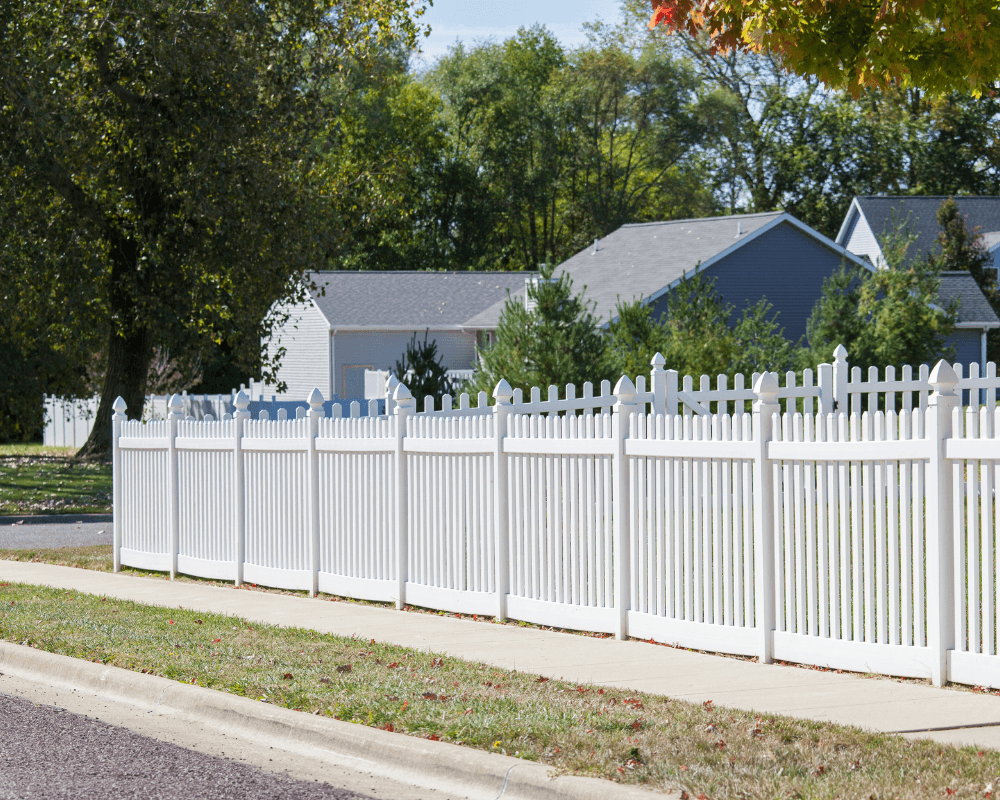
A fence survey helps establish the property boundaries needed to properly plan the location of a new fence.
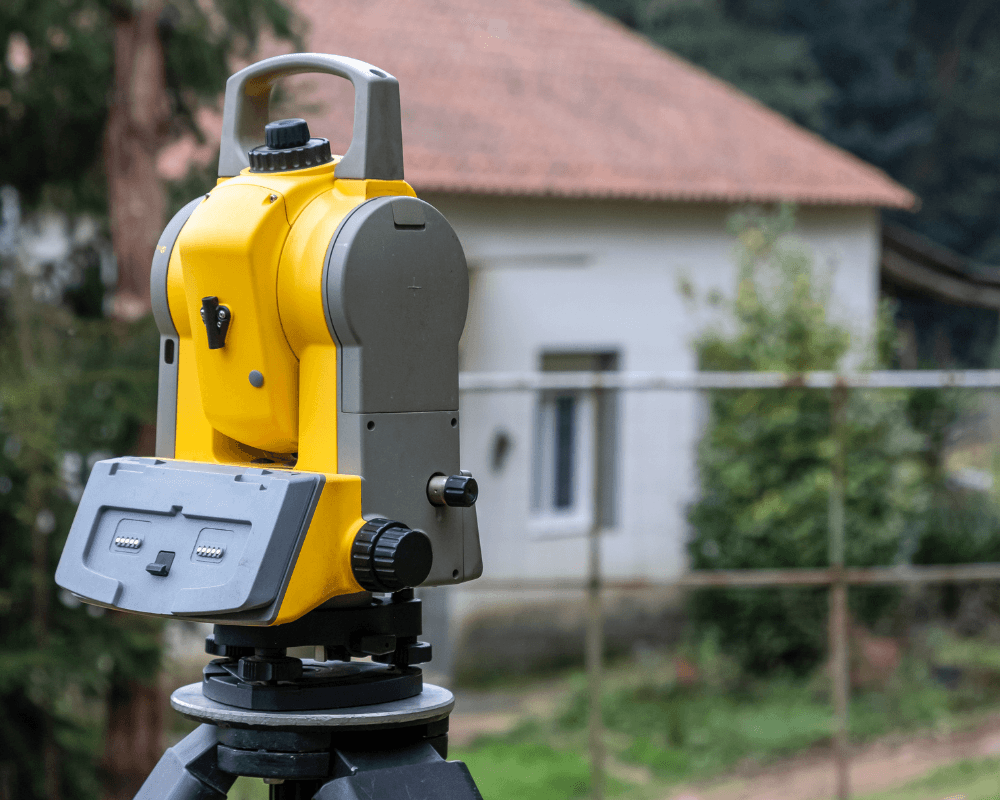
Depending on the property and scope of work, a surveyor may locate existing property corners, identify boundary lines, set or mark corners when appropriate, and provide information that helps the property owner and fence contractor understand where the fence can be placed.
The goal is simple: give you dependable information about your property before you build.
This can be especially important when a proposed fence will run close to neighboring property.
Can I Just Use My Property Plat?
You may have received a plat or survey when you purchased your home. While that document can be helpful, having a drawing does not always mean you can accurately locate the boundary yourself in the field.
A plat might show distances, bearings, easements, structures, and property lines, but transferring that information from paper to the physical property requires surveying knowledge and equipment.
It is also possible that conditions on the property have changed since an older survey was completed.
If you cannot confidently identify your property corners or the location of your boundary, having a surveyor evaluate the property before installing a fence can provide much greater certainty.
Why Surveying Before a Fence Installation Matters
One of the biggest reasons to survey before installing a fence is to avoid accidentally building on someone else’s property.
Imagine spending thousands of dollars on a new fence only to discover that a portion of it extends beyond your boundary.
Even if the mistake is only a small distance, the neighboring property owner could object. Correcting the issue could mean paying the fence contractor to remove posts, relocate sections, repair landscaping, and rebuild portions of the fence.
The cost of fixing the problem can easily exceed the cost and inconvenience of confirming the boundary before construction.
A Survey Can Help Prevent Neighbor Disputes
Property boundaries can become emotional issues between neighbors.
One homeowner may believe a fence belongs in one location while another believes the property line is several feet away.
Rather than relying on memory, assumptions, old landscaping, or an online map, a professional survey provides objective property information.
Addressing the boundary before construction can help avoid disagreements after the fence has already been installed.
It can also make conversations with your neighbor much easier.
Instead of saying, “I think the property line is here,” you can make decisions based on professionally established boundary information.
Existing Fences Do Not Necessarily Mark the Boundary
One of the most common assumptions homeowners make is that an existing fence must have been built directly on the property line.
That is not necessarily true.
A previous owner may have intentionally installed the fence several inches or several feet inside the property. Another fence could have been installed without a survey. In some cases, an older fence may not follow the boundary consistently at all.
If you are replacing an old fence, do not automatically assume that the new fence should follow exactly the same path.
Confirming the property boundary first gives you an opportunity to determine whether the existing fence location matches the actual property limits.
What About HOA Requirements?
If your property is located within a homeowners association, surveying may only be one part of the planning process.
Your HOA may have requirements regarding fence materials, colors, height, style, and location.
Some associations may also require documentation or approval before construction begins.
A survey does not replace the need to review HOA restrictions, but accurate property information can make it easier to prepare your fence plan and submit the appropriate documentation.
Before scheduling installation, property owners should verify both their property boundaries and any neighborhood requirements that apply to the project.
Property Setbacks and Local Requirements
Knowing your boundary is also different from knowing where you are legally or contractually permitted to construct something.
Depending on your property and jurisdiction, fences or other improvements may be affected by local regulations, easements, rights-of-way, HOA rules, or other restrictions.
That means finding the property line should be treated as the starting point for planning rather than automatically assuming every improvement can be constructed directly on it.
A survey gives you accurate property information that can then be used while reviewing the other requirements affecting your project.
Easements Can Affect Your Plans
Another reason a recent property survey can be valuable is the potential presence of easements.
An easement generally gives another party certain rights to use a portion of the property for a specific purpose.
Utility, drainage, access, or other easements may affect how an owner plans improvements.
Property owners should understand the relevant conditions affecting their property before installing permanent improvements.
Discovering an issue after the fence has already been built can create significantly more work than identifying it during the planning stage.
When Should You Schedule the Survey?
Ideally, schedule your survey before finalizing the fence location and before the installation crew begins work.
Waiting until the fence contractor is already scheduled can create unnecessary pressure if there is uncertainty about the boundary.
Getting the surveying work completed earlier allows time to review the results, discuss the project with your contractor, handle HOA approval if necessary, and address any unexpected issues.
It is much easier to change a proposed fence line than a completed one.
What Information Should You Give Your Surveyor?
When requesting a quote, tell the surveying company that you are planning to install a fence and provide the property address.
It can also be helpful to explain whether you are fencing the entire property, only the backyard, replacing an existing fence, or dealing with a particular property line that concerns you.
The more clearly you explain the purpose of the survey, the easier it is for the surveyor to understand what you need.
Should You Survey a Newer Property?
Yes, surveying can still be worthwhile even if the home or subdivision is relatively new.
Markers can become difficult to locate, landscaping can cover evidence, and homeowners may not know exactly where the recorded boundary falls on the ground.
A newer home does not eliminate the risk of misunderstanding the property line.
If the location matters for a permanent improvement, confirming it before construction is a sensible approach.
What If You Are Already Having a Boundary Disagreement?
If you and a neighbor already disagree about the location of the property line, avoid relying solely on measurements from fences, online maps, satellite imagery, or your own interpretation of property documents.
A professional boundary survey can provide much more reliable information about the property.
Boundary situations can sometimes become complicated, particularly on older properties or parcels with a long history of conveyances.
Professional surveying provides a much stronger foundation for understanding the situation.
Protect Your Fence Investment
A new fence can represent a significant investment in your home.
Surveying may seem like another step to complete before construction, but it can help protect the money you are already planning to spend.
Knowing the property boundaries beforehand can help you avoid relocation costs, construction delays, neighbor disputes, and unpleasant surprises.
More importantly, it allows you to begin the project with confidence.
Need a Fence Survey in Virginia?
James River Surveying provides professional surveying services for property owners throughout Virginia.
Whether you are installing a privacy fence, replacing an existing fence, improving your backyard, or simply want to know exactly where your property ends, our team can help you get the accurate information you need before construction begins.
Contact James River Surveying with your property address and let us know that you are planning a fence installation. We can help you determine the appropriate surveying service for your project and provide an estimate.