

The 10 Hidden Risks of Skipping a Land Survey in Virginia Beach
April 28, 2026
The Ultimate Guide to Property Surveys in Chesapeake, Virginia
May 22, 2026Outdoor home projects can completely transform a property. Whether you are dreaming of a new fence, an expanded patio, an outdoor kitchen, a pool installation, or a backyard oasis, these improvements can increase property value and make your home more enjoyable for years to come. However, many homeowners in Norfolk jump into projects without taking one important step first: getting a professional land survey.
At first glance, a survey may seem unnecessary. Many homeowners assume their property boundaries are obvious or that existing fences accurately mark lot lines. Unfortunately, assumptions about property boundaries often lead to costly mistakes. In a city like Norfolk, where historic neighborhoods, waterfront properties, changing landscapes, and varied lot layouts create unique challenges, understanding your exact property boundaries is more important than many people realize.
Before investing thousands of dollars into outdoor improvements, homeowners should ensure they know exactly where their property begins and ends. A land survey can provide confidence, prevent legal headaches, and protect investments before construction ever starts.

Understanding What a Land Survey Actually Does
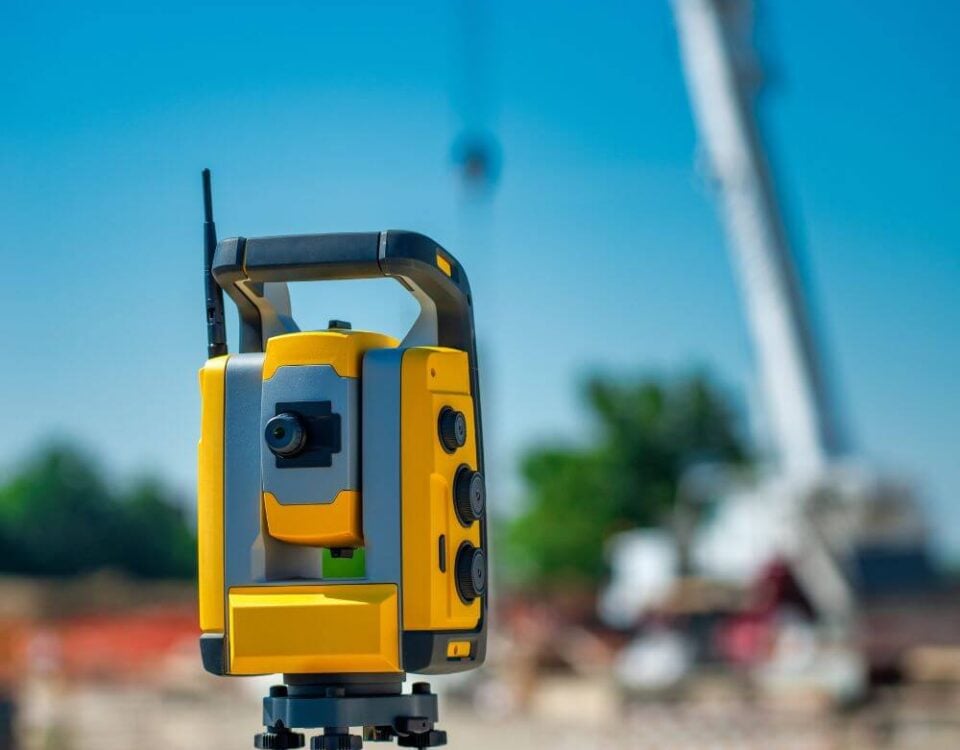
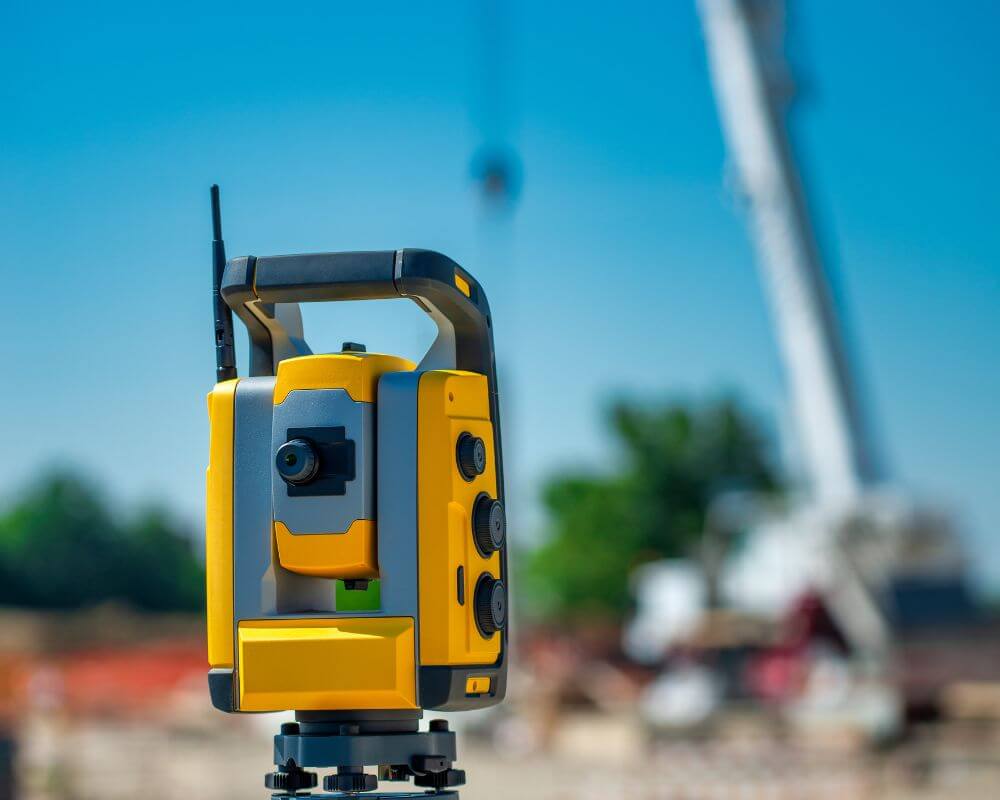
Many homeowners hear the phrase “land survey” but are not entirely sure what the process includes. A professional land survey identifies and marks legal property boundaries while documenting improvements, structures, easements, encroachments, and other important site features.
Surveyors use specialized equipment, historical records, deeds, plats, and field measurements to establish an accurate picture of a property. The result provides a legally reliable understanding of land dimensions and boundaries.
This information becomes especially valuable before beginning outdoor projects because visual assumptions can be misleading. Trees move over time. Fences may have been built incorrectly decades ago. Neighboring structures could sit close to boundary lines. Historic records may contain inconsistencies. What appears obvious from a homeowner’s perspective may look very different when measured professionally.
For homeowners in Norfolk, where properties often include unusual layouts and long neighborhood histories, accurate survey information creates clarity before construction begins.
Older Norfolk Neighborhoods Create Unique Boundary Challenges
One of the reasons surveys are particularly valuable in Norfolk involves the city’s age and development history. Norfolk includes many older communities where homes were built generations ago. Historic neighborhoods often carry complex property histories that newer developments may not experience.
Over time, fences are replaced, landscaping changes, additions are built, and property markers disappear. In some cases, homeowners inherit assumptions that previous owners made decades earlier.
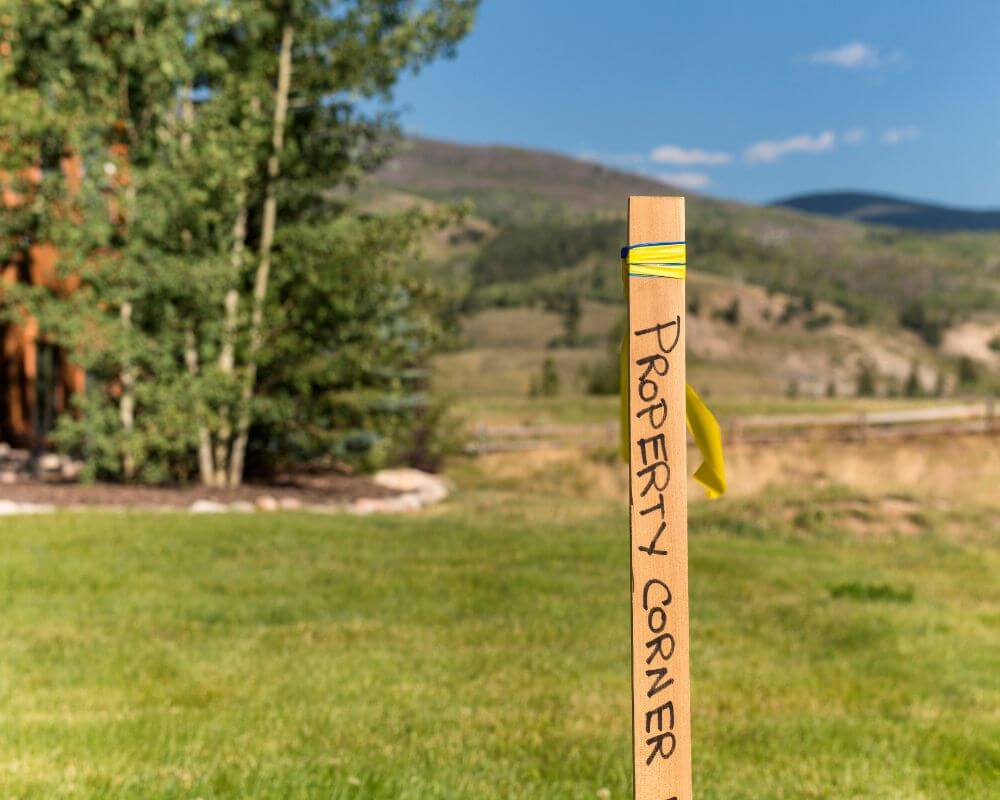
Imagine purchasing a home with an existing fence and assuming it marks the true property line. Years later, you decide to install a new fence or construct a backyard addition only to discover that the existing fence was built several feet inside or outside the actual boundary. Suddenly your project becomes far more complicated.
Older neighborhoods can also contain outdated documentation or irregular lot shapes that create confusion. Professional surveying helps remove uncertainty before expensive work begins.
Instead of relying on assumptions passed from owner to owner, a survey establishes reliable information backed by legal and measurement standards.
Fence Projects Can Become Expensive Mistakes
Fence installations remain one of the most common outdoor projects homeowners pursue. A new fence can improve privacy, safety, aesthetics, and property appeal. Yet fences also create some of the most frequent property disputes.
Homeowners often assume replacing an existing fence means they can simply build in the same location. Unfortunately, existing fences may not sit on actual property boundaries.
A fence constructed even a few feet onto neighboring land can create major issues. In some cases, homeowners may receive requests to remove sections of a newly built fence. Others face legal disputes or expensive reconstruction costs.
Even when neighbors maintain friendly relationships, misunderstandings about boundaries can create tension.
Professional surveys help homeowners avoid these situations entirely. Instead of guessing where a fence belongs, surveyors establish exact locations before construction crews begin work.
For Norfolk homeowners investing significant money into fencing projects, obtaining a survey first often costs far less than correcting mistakes later.
Waterfront and Coastal Properties Require Additional Attention
Norfolk’s coastal setting creates unique conditions homeowners should consider before beginning outdoor projects. Waterfront and nearby properties often experience factors that influence land use and construction planning.
Flood zones, shoreline changes, easements, drainage considerations, and environmental restrictions can affect how property owners use outdoor spaces.
Land surveys provide critical information about these conditions. Property owners may discover utility easements, access rights, setback requirements, or other limitations that influence project placement.
For example, a homeowner planning an outdoor kitchen or detached structure near the water could unknowingly place improvements within restricted areas. Discovering these issues after construction begins becomes far more expensive than identifying them early.
Survey information helps homeowners understand not only where boundaries exist but also how legal and environmental conditions impact future plans.
Outdoor Structures Require More Planning Than Homeowners Realize
Many homeowners think primarily about fences when discussing property lines. However, numerous outdoor projects benefit from professional surveying.
Pools often involve setback requirements and space regulations. Patios and decks can approach neighboring properties. Detached garages, sheds, pergolas, and additions may face placement restrictions. Landscaping projects can also create issues. Large retaining walls, decorative features, and major grading work sometimes impact adjacent properties or drainage patterns.
Because these projects often involve permits and inspections, discovering property concerns later can delay construction schedules and increase costs. Starting with accurate information simplifies planning from the beginning.

Property Line Disputes Can Damage Neighbor Relationships
Homeownership involves more than maintaining a house. It also means becoming part of a neighborhood community. Good relationships with neighbors often make homeownership more enjoyable, especially in established Norfolk communities where residents may live near one another for decades.
Unfortunately, property disputes frequently begin with simple misunderstandings. One homeowner installs a new fence. Another plants landscaping. Someone expands a driveway or builds a shed. Suddenly neighbors realize they have different assumptions about where property lines actually exist.
These disagreements rarely begin with bad intentions. Most homeowners simply rely on visible markers or previous assumptions. However, once money, construction, and legal concerns enter the situation, emotions can escalate quickly.
A professional survey removes uncertainty and creates an objective reference point. Instead of relying on opinions or memories, homeowners can use documented information supported by measurements and legal records.
Taking this step before construction starts often prevents awkward conversations and unnecessary conflict later.
Norfolk’s Mix of Historic and Modern Development Creates Complexity
Norfolk presents unique surveying challenges because of its blend of historic districts, older residential neighborhoods, waterfront communities, and newer developments. Property characteristics can vary significantly even within the same area.
Historic neighborhoods sometimes include irregular lot shapes or property descriptions based on older references. Newer subdivisions may have detailed plats but still include easements and utility considerations homeowners overlook. Coastal properties introduce additional variables related to water access and environmental concerns.
Because no two properties are exactly alike, assumptions based on neighboring homes or online maps often create problems.
Many homeowners believe digital mapping tools provide accurate boundary information. While online property maps can be useful for general reference, they should never replace professional surveying when construction or legal decisions are involved.
Digital maps often contain approximations rather than legally defensible measurements. A few feet of inaccuracy may not seem significant on a screen, but it can create serious issues during a construction project.
Professional surveying provides precision that online tools cannot match.
Land Surveys Protect Financial Investments
Outdoor projects often represent substantial investments. New fencing, patios, landscaping renovations, pools, and outdoor entertainment spaces can cost thousands or even tens of thousands of dollars.
Most homeowners carefully research contractors, materials, and design choices before moving forward. Yet skipping a survey introduces unnecessary risk into the process.
Imagine investing heavily in a custom backyard project only to discover construction crossed a property line or violated a setback requirement. Correcting those mistakes could involve demolition, redesign expenses, legal fees, or permit complications.
Compared with the overall cost of many outdoor projects, surveying often represents a relatively small investment that provides long term protection.
The goal is not simply avoiding problems. The goal is creating confidence. Homeowners can move forward knowing they have accurate information guiding important decisions.
Survey Information Helps Contractors Work More Efficiently
Contractors appreciate clarity. Accurate site information allows construction professionals to plan projects more effectively and avoid delays.
When contractors know exact boundaries, setbacks, and site limitations before work begins, projects often move more smoothly. They can position structures appropriately, avoid conflicts, and minimize surprises. Without survey information, contractors may need to pause work while questions get resolved. In some situations, permit offices may request additional documentation.
Starting with reliable survey data helps create a smoother process from planning through completion. For homeowners eager to enjoy finished outdoor spaces, reducing delays matters.
Permits and Regulations May Require Accurate Site Information
Many outdoor projects require local permits or approvals. Structures such as decks, pools, detached buildings, and additions often involve municipal requirements. Local regulations may include setbacks, easements, utility access requirements, or zoning standards that affect project placement.
Survey information helps homeowners understand these requirements before construction starts. Instead of redesigning plans midway through a project, homeowners can identify restrictions early and plan appropriately. This becomes especially important for larger projects where changes after construction begins can significantly increase costs.
Why Timing Matters
Some homeowners wait until problems appear before considering a survey. Unfortunately, by that point projects may already be underway. The ideal time to schedule a survey is before purchasing materials, hiring contractors, or beginning construction planning. Early information creates flexibility. Homeowners can adjust designs, confirm project feasibility, and move forward with confidence.
Waiting until midway through a project can introduce unnecessary stress and expenses. Planning ahead often saves time, money, and frustration.
Outdoor Projects Should Start with Confidence
Outdoor improvements can transform a property and create spaces families enjoy for years. Whether homeowners dream of backyard retreats, improved privacy, or enhanced curb appeal, planning remains the foundation of successful projects.
For homeowners in Norfolk, land surveys provide more than boundary measurements. They create confidence, reduce risk, protect investments, and help prevent costly surprises. With Norfolk’s unique mix of historic properties, waterfront considerations, evolving neighborhoods, and varied lot configurations, assumptions about property boundaries can create expensive mistakes.
Before installing fences, building patios, adding structures, or beginning any major outdoor project, homeowners should understand exactly what they own and how their property functions. Starting with a professional survey helps ensure that exciting projects remain exciting from beginning to end. Partnering with experienced professionals allows Norfolk homeowners to move forward knowing their outdoor plans rest on a strong foundation of accurate information.