

11 Reasons to Get a Property Survey in Virginia
September 30, 2025
The Role of Land Surveying in Successful Commercial Development
January 20, 2026If you’re a homeowner in Virginia, there’s a good chance you’ve heard the term Virginia land surveyor, but you may not be entirely sure what one actually does. Many people assume land surveying is simply “measuring property lines,” but the reality is far more detailed, technical, and important than that.
Whether you’re buying a home, planning a fence, adding a driveway, resolving a boundary dispute, or preparing for construction, a professional land surveyor plays a critical role in protecting your investment. In fact, many of the most expensive property issues homeowners face could have been avoided with the right survey at the right time.
This guide breaks down exactly what a land surveyor does, why their work matters specifically in Virginia, and how homeowners can make informed decisions when it comes to surveying their property.
What Is a Land Surveyor?
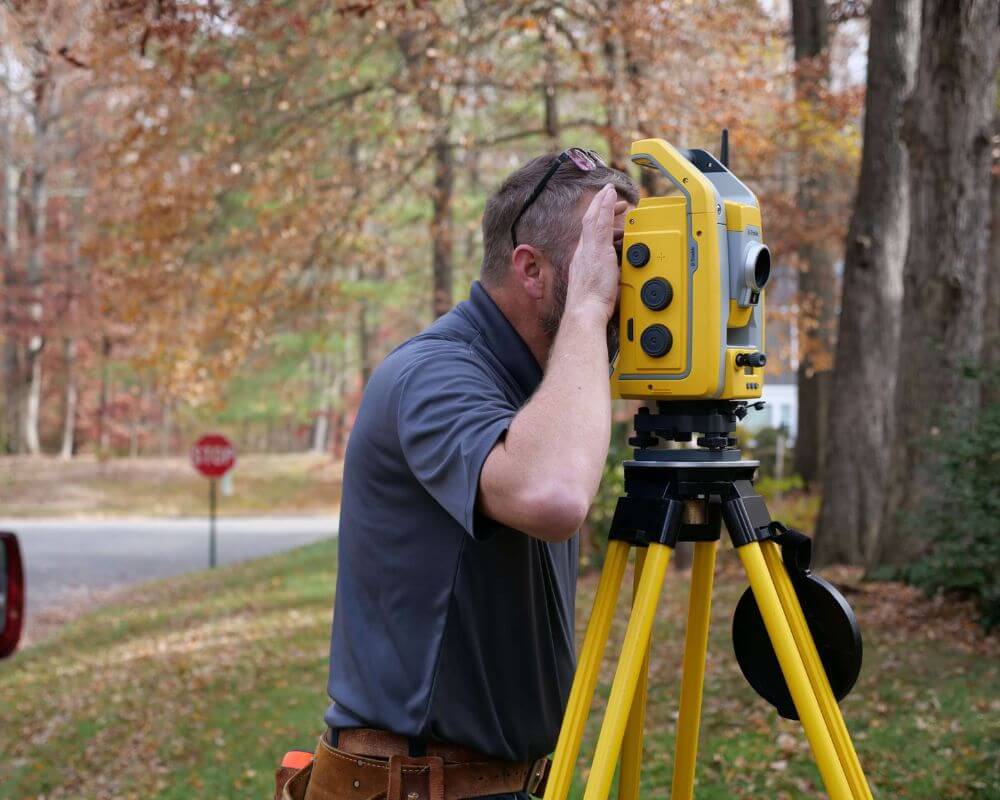
A land surveyor is a licensed professional who measures, maps, and documents land and property boundaries with precision. Their job is to determine where land begins and ends, legally and physically, using a combination of historical records, modern technology, and professional judgment.
In Virginia, land surveyors are regulated and must meet strict licensing requirements. This ensures their work can be relied upon by homeowners, lenders, builders, attorneys, and local governments.
Unlike informal measurements or online mapping tools, a professional survey is legally defensible. It becomes part of the permanent record tied to your property and can be used to resolve disputes, obtain permits, and protect your ownership rights.
Why Land Surveying Is Especially Important in Virginia
Virginia has a unique property landscape that makes accurate surveying especially important for homeowners. Many neighborhoods include:
- Properties with old deeds and plats
- Historic parcels that predate modern mapping standards
- Rural tracts that were measured long before GPS existed
- Irregular boundaries following rivers, roads, or natural features
- Properties affected by easements, rights-of-way, or shared access
In older parts of Virginia, it’s common for property descriptions to reference landmarks that no longer exist, such as trees, fence posts, or stone markers. A professional land surveyor knows how to interpret these historical descriptions and reconcile them with current conditions.
Without a proper survey, homeowners may unknowingly build improvements in the wrong location or assume boundaries that aren’t legally accurate.
What Does a Land Surveyor Actually Do?
While every project is different, land surveyors typically perform several key tasks when working with homeowners.
1. Research Property Records
Before ever stepping onto your property, a land surveyor begins with extensive research. This includes reviewing:
- Deeds and legal descriptions
- Recorded plats and subdivision maps
- Previous surveys
- Easements and rights-of-way
- Local and county land records
This research helps establish how the property was originally defined and how it has changed over time. In Virginia, where records can span centuries, this step is critical.
2. Conduct Field Measurements
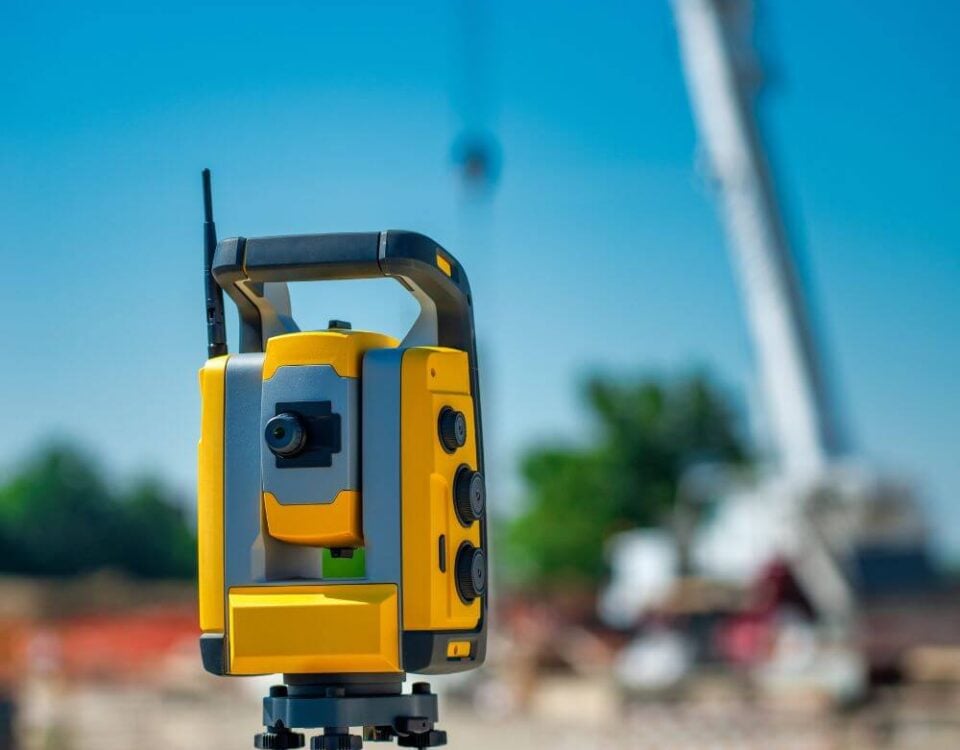
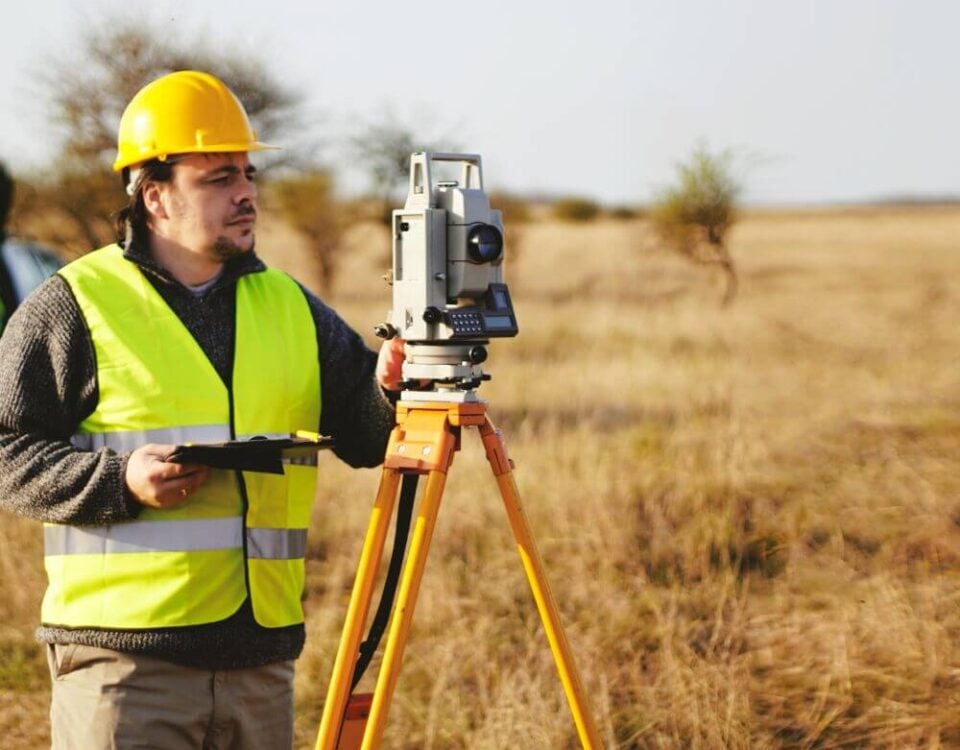
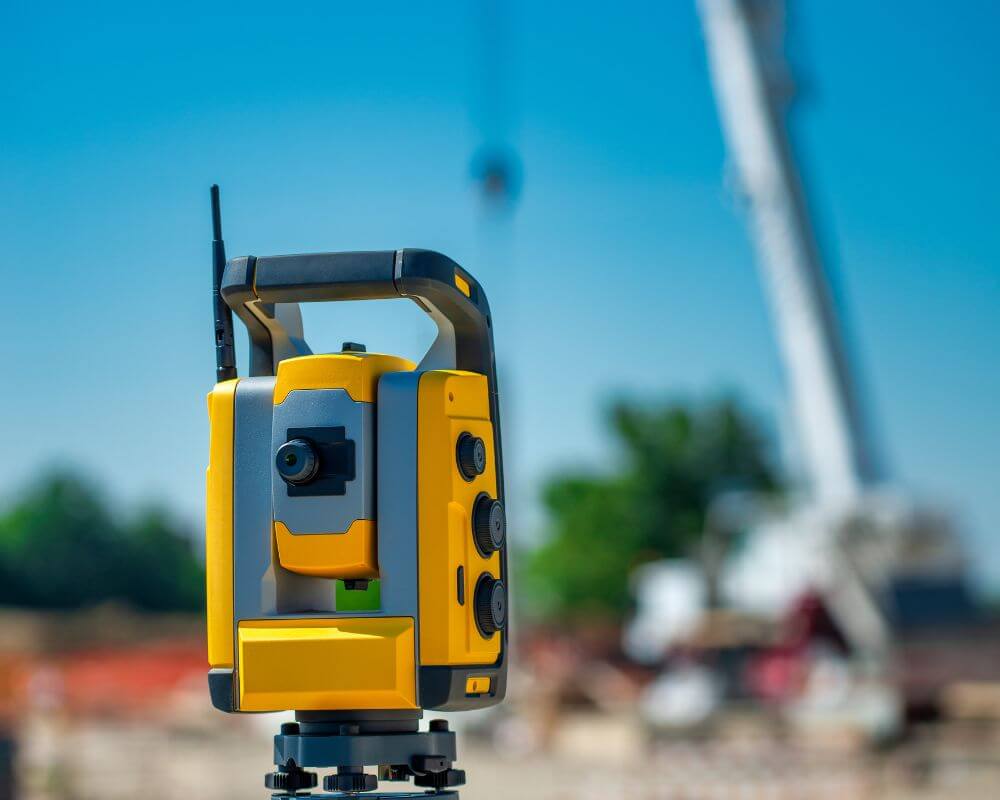
Once the research phase is complete, the surveyor visits the property to collect precise measurements. Using professional-grade equipment such as GPS receivers, total stations, and laser measurement tools, they locate:
- Existing boundary markers
- Physical features like fences, walls, and buildings
- Roads, utilities, and visible improvements
- Elevation changes and topography (when required)
This fieldwork ensures the survey reflects what actually exists on the ground, not just what appears on paper.
3. Identify Property Boundaries
One of the most important roles of a land surveyor is determining the true legal boundaries of your property.
This process involves comparing field measurements with historical records and resolving discrepancies. When records conflict or markers are missing, professional judgment and experience are essential. A licensed surveyor is trained to weigh evidence and establish boundaries according to Virginia law.
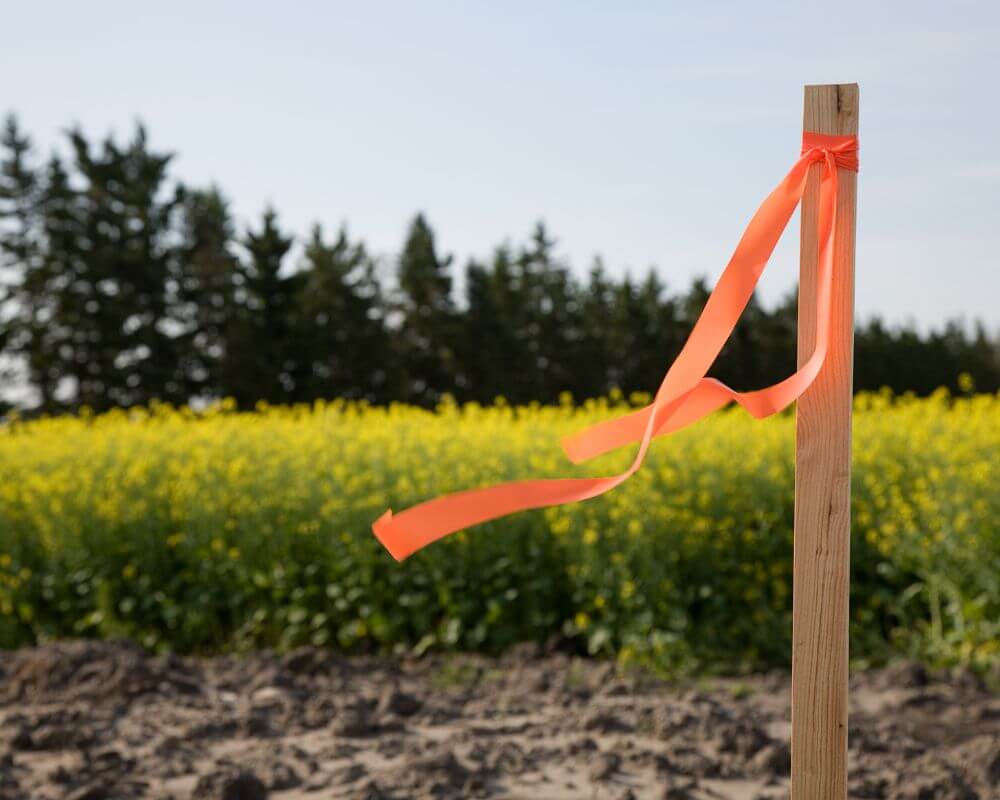
Once determined, boundaries are often marked with stakes, pins, or monuments so homeowners can clearly see where their property begins and ends.
4. Prepare Survey Documents and Plats
After completing fieldwork and analysis, the surveyor prepares official documents that show the results of the survey. These may include:
- A signed and sealed survey plat
- Boundary descriptions
- Easement locations
- Improvements and encroachments
- Notes regarding zoning or restrictions
These documents are often required for permitting, financing, or legal purposes and can be recorded with the county if needed.

Common Reasons Virginia Homeowners Need a Land Survey
Many homeowners wait until there’s a problem to call a land surveyor, but proactive surveying can save time, stress, and money. Common situations include:
- Buying or selling a home
- Installing fences, sheds, or driveways
- Building additions or detached structures
- Resolving neighbor disputes
- Subdividing land
- Applying for permits or zoning approvals
- Verifying easements or access rights
In each case, a professional survey provides clarity and legal protection.
Survey vs. Appraisal vs. Inspection: What’s the Difference?
Homeowners often confuse land surveys with appraisals or home inspections, but they serve very different purposes.
- A home inspection evaluates the condition of a structure.
- An appraisal estimates property value for lending purposes.
- A land survey defines property boundaries and physical features.
Only a land surveyor can legally determine where your property lines are located.
The Risks of Skipping a Land Survey
Skipping a survey may seem like a way to save money, but it often leads to costly consequences. Without an accurate survey, homeowners risk:
- Building on a neighbor’s land
- Violating setback or zoning requirements
- Discovering encroachments after construction
- Facing legal disputes that delay or halt projects
- Reduced property value during resale
In Virginia, many of these issues don’t surface until years later, when resolving them becomes far more expensive.
When Should You Call a Land Surveyor?
The best time to hire a land surveyor is before making changes or commitments involving your property. Whether you’re planning a small improvement or a major project, getting clarity upfront protects your investment and gives you peace of mind.
Types of Land Surveys for Virginia Homeowners
Not all land surveys are the same. The type of survey you need depends on what you’re planning to do with your property. In Virginia, homeowners commonly request several specific survey types, each serving a different purpose.
Boundary Surveys
A boundary survey is the most common survey requested by homeowners. It establishes the legal property lines and identifies boundary corners using physical markers such as iron pins or monuments.
This type of survey is essential when:
- Installing fences
- Resolving disputes with neighbors
- Confirming property size before selling
- Verifying boundaries before construction
In older Virginia neighborhoods, boundary surveys are especially important because property lines may not align with fences, tree lines, or driveways that have existed for decades.
Topographic Surveys
A topographic survey maps elevation changes and natural features such as slopes, drainage patterns, and tree lines.
This type of survey is often required when:
- Planning additions or new construction
- Managing drainage or grading issues
- Designing driveways or retaining walls
- Preparing land for development
In Virginia, where terrain can vary dramatically even within small areas, topographic surveys are essential for proper planning and preventing water or erosion problems.
ALTA/NSPS Surveys (When Applicable)
While typically used for commercial properties, ALTA/NSPS surveys may be required for homeowners purchasing large tracts, multi-family properties, or properties involved in complex financing.
These surveys are more detailed and meet national standards, often required by lenders and title companies.
How to Read a Land Survey Plat
Survey plats can look intimidating at first, but understanding the basics helps homeowners make better decisions.
A typical Virginia survey plat includes:
- Property boundary lines
- Dimensions and bearings
- Location of structures
- Easements and rights-of-way
- Setback lines
- Surveyor’s seal and certification
Key Things to Look For
- Boundary Lines: Usually shown as bold or highlighted lines
- Dimensions: Distances measured in feet
- Bearings: Directional measurements (degrees, minutes, seconds)
- Easements: Areas where utilities or access rights exist
- Encroachments: Structures crossing property lines or setbacks
If something isn’t clear, a professional surveyor can walk you through the plat and explain what it means for your property.

How Much Does a Land Survey Cost in Virginia?
One of the most common questions homeowners ask is about cost. While prices vary, understanding what affects survey pricing can help set realistic expectations.
Factors That Influence Cost
Land survey costs in Virginia depend on several variables:
- Property size and shape
- Location (urban vs. rural)
- Availability of existing records
- Terrain and vegetation
- Type of survey required
- Time required for research and fieldwork
Older properties with incomplete records often require more research, which can increase cost, but skipping this step can lead to inaccurate results.
Why the Cheapest Option Isn’t Always the Best
Land surveying is a professional service, not a commodity. Accuracy, experience, and local knowledge matter. A low-cost survey that misses an easement or boundary issue can end up costing far more in the long run.
How Long Does a Land Survey Take?
Survey timelines vary based on complexity and workload, but most residential surveys in Virginia follow a general process:
- Research Phase: Reviewing records and plats
- Fieldwork: Collecting measurements on-site
- Analysis & Drafting: Reconciling data and preparing documents
- Final Review: Sealing and delivering the survey
Simple surveys may be completed in a few weeks, while complex properties can take longer, especially in areas with limited historical documentation.
Why Online Maps and Old Surveys Aren’t Enough
Many homeowners assume online mapping tools or old surveys are sufficient, but these sources often lack accuracy and legal reliability.
Limitations of Online Maps
- Not survey-grade accurate
- May shift boundaries visually
- Cannot be used for legal purposes
- Often outdated
Risks of Relying on Old Surveys
- Property lines may have changed
- Easements may have been added
- Markers may no longer exist
- Conditions on the ground may differ
Only a current survey prepared by a licensed Virginia land surveyor reflects today’s legal and physical reality.
How a Land Survey Protects Your Investment
A home is one of the largest investments most people make. A professional land survey protects that investment by:
- Preventing boundary disputes
- Ensuring compliance with zoning laws
- Supporting resale and refinancing
- Reducing legal risk
- Providing clarity and peace of mind
In many cases, the cost of a survey is small compared to the cost of correcting mistakes later.
How to Choose the Right Land Surveyor in Virginia
Not all surveyors are the same. When choosing a land surveyor, Virginia homeowners should look for:
- Proper licensing and credentials
- Experience with local properties
- Knowledge of county records
- Clear communication
- Detailed, professional documentation
A local surveyor understands the nuances of Virginia land records, terrain, and regulations, making their expertise invaluable.
When a Survey Becomes a Lifesaver
Many homeowners don’t realize how important a survey is until a problem arises. Boundary disputes, delayed construction, or title issues often reveal issues that could have been prevented with a proper survey.
Calling a land surveyor early allows you to move forward with confidence instead of reacting to problems later.
Common Land Survey Myths Virginia Homeowners Still Believe
Despite how critical land surveying is, many homeowners hold misconceptions that can lead to costly mistakes. Clearing up these myths helps homeowners make informed decisions before problems arise.
“My Fence Marks the Property Line”
This is one of the most common, and dangerous, assumptions. Fences are often installed for convenience, not accuracy. Over time, fences can shift, be placed incorrectly, or be intentionally moved.
Only a licensed land surveyor can determine the legal property boundary. In Virginia, a fence does not define ownership unless supported by legal documentation.
“The County Map Shows My Exact Boundary”
County GIS maps are helpful for reference, but they are not survey-grade. These maps often include disclaimers stating they are approximate and not intended for legal use.
Relying on GIS data instead of a professional survey can result in:
- Encroachments
- Permit violations
- Boundary disputes
“A Survey Done Years Ago Is Still Valid”
While old surveys provide historical context, they may no longer reflect current conditions. Property lines can change due to:
- Subdivisions
- Road expansions
- New easements
- Legal adjustments
A current survey ensures accuracy and legal protection today, not decades ago.
How Boundary Disputes Are Resolved in Virginia
Boundary disputes can be stressful, emotional, and expensive, but professional land surveys often bring clarity and resolution.
The Role of the Surveyor in a Dispute
A licensed land surveyor evaluates:
- Deed descriptions
- Historical plats
- Field evidence
- Physical markers
- Adjoining property records
Using professional judgment, the surveyor establishes boundary lines based on Virginia law and accepted surveying principles.
In many cases, a professionally prepared survey resolves disputes without litigation.
When Disputes Escalate
If a dispute continues, survey documents often become critical evidence in:
- Mediation
- Title claims
- Legal proceedings
Courts rely on licensed surveyors to provide objective, defensible data, not assumptions or informal measurements.
What Happens When Property Records Conflict?
Conflicting records are common in older Virginia properties. When discrepancies arise, surveyors must weigh evidence and determine which records carry the most legal weight.
This process may involve:
- Comparing senior and junior deeds
- Evaluating monument precedence
- Interpreting ambiguous descriptions
- Reconciling field evidence with documentation
This is where experience and local knowledge make a significant difference.
Frequently Asked Questions from Virginia Homeowners
Do I legally need a survey to build a fence?
Not always, but building without one is risky. Many homeowners later discover the fence is incorrectly placed.
Will my lender require a survey?
Some lenders and title companies require surveys, especially for refinances, large properties, or properties with improvements near boundaries.
Can a survey increase my property value?
While it doesn’t change market value directly, a survey reduces buyer risk and can prevent deal delays during resale.
How often should a property be surveyed?
Any time ownership changes, improvements are planned, or boundary questions arise.
A Homeowner’s Checklist Before Hiring a Land Surveyor
Before scheduling a survey, homeowners should:
- Know why the survey is needed
- Gather existing deeds or plats
- Understand local permit requirements
- Choose a licensed Virginia surveyor
- Ask about timelines and deliverables
Preparation helps ensure the survey meets your needs efficiently.
Why Working With a Local Virginia Surveyor Matters
Local surveyors bring insight that out-of-area providers simply can’t match. They understand:
- County recording systems
- Local zoning requirements
- Regional terrain challenges
- Historical land use patterns
This expertise leads to fewer surprises and more accurate results.
Why Land Surveying Is More Than Measuring Lines
Land surveying is about clarity, protection, and confidence. It ensures homeowners understand exactly what they own, where they can build, and how to protect their property rights.
For Virginia homeowners, especially those in historic or rapidly growing areas, professional surveying isn’t optional, it’s essential.
Whether you’re planning improvements, resolving questions, or simply seeking peace of mind, a licensed land surveyor provides the foundation for informed decisions and long-term security.