

Installing a Fence? Why a Fence Property Survey Is Critical Before You Build
February 4, 2026
Why Builders Require Land Surveys Before Construction
March 6, 2026When homeowners need accurate property information, one of the most important decisions they will make is how to find a surveyor. Whether you are planning to install a fence, resolve a boundary question, build an addition, or prepare for a real estate transaction, working with the right surveyor can protect your property and prevent costly mistakes.
Unfortunately, many homeowners don’t realize how critical this choice is until something goes wrong. Trying to find a surveyor based solely on price or convenience can lead to inaccurate results, delays, or disputes that could have been avoided. Knowing how to find a surveyor the right way ensures you receive reliable information that stands up legally and professionally.
This guide walks homeowners through what land surveyors do, why their role matters, and how to confidently find a surveyor who meets your needs.
Why It’s Important to Find a Surveyor Early
One of the biggest mistakes homeowners make is waiting too long to find a surveyor. Property issues often arise during time-sensitive projects, fence installations, home purchases, refinancing, or construction planning. When deadlines approach, homeowners may rush to find a surveyor without properly evaluating qualifications or experience.
Finding a surveyor early allows time for research, scheduling, and record review. Licensed surveyors often have full schedules, especially during peak construction seasons. If you wait until the last minute to find a surveyor, you may face delays that impact your project timeline.
More importantly, early planning gives you time to ensure the surveyor you hire is qualified, licensed, and experienced with your type of property.
What Does a Land Surveyor Do?
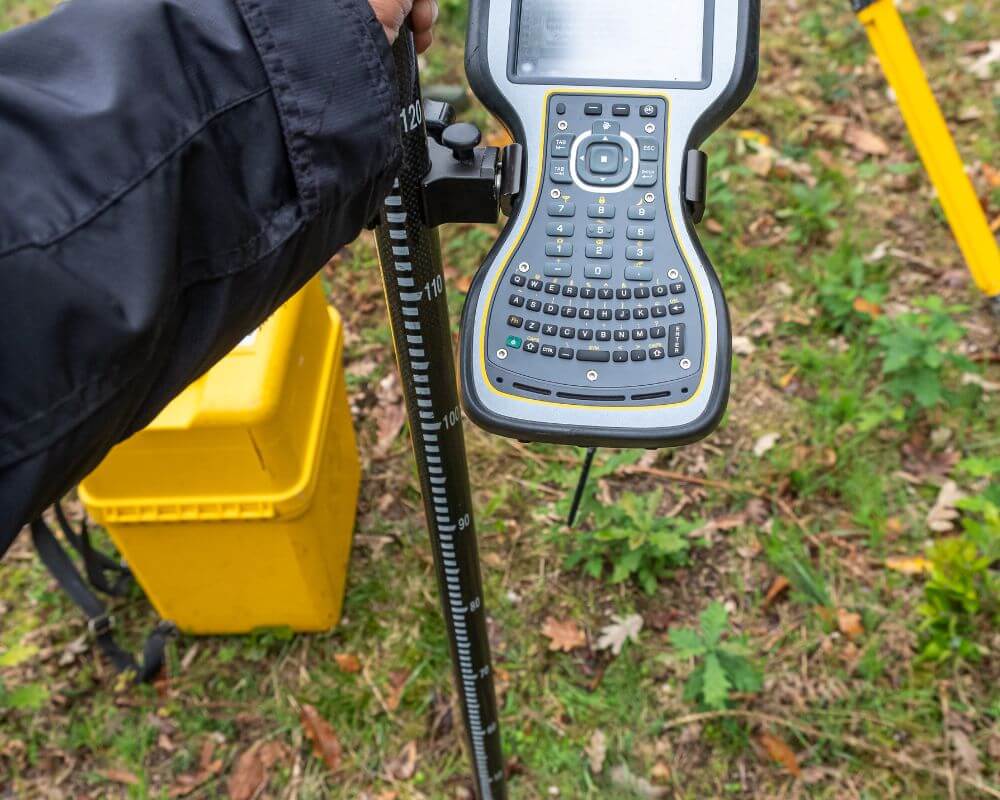
Before you find a surveyor, it helps to understand what surveyors actually do. A licensed land surveyor determines property boundaries using legal records, measurements, and physical evidence on the ground. Their work defines where your land begins and ends, not where it “looks like” it should be.
Surveyors review deeds, plats, easements, and historical documents, then conduct fieldwork to verify boundaries. Their findings are used by homeowners, contractors, attorneys, title companies, and local governments.
If you need legally defensible property information, guessing or relying on online maps is not enough. To get accurate results, you must find a surveyor who is properly licensed and trained.
Common Reasons Homeowners Need to Find a Surveyor
Homeowners may need to find a surveyor for many reasons. Fence installation is one of the most common, especially when a fence is placed near a shared boundary. Property disputes with neighbors often require a professional survey to resolve disagreements objectively.
Other common reasons to find a surveyor include buying or selling a home, building an addition, subdividing land, or identifying easements that affect property use. Even routine improvements like driveways or sheds may require accurate boundary verification.
In each of these situations, the quality of the surveyor’s work matters. Taking time to find a surveyor with the right expertise helps ensure the results are accurate and reliable.
How to Find a Surveyor Who Is Properly Licensed
The most important step when you find a surveyor is verifying licensure. Land surveying is a regulated profession, and only licensed surveyors are authorized to establish or certify property boundaries.
Homeowners should confirm that the surveyor is licensed in the state where the property is located. Licensing ensures the surveyor has completed required education, passed examinations, and follows professional standards.
State licensing boards typically provide online verification tools. Before you hire anyone, take a few minutes to confirm credentials. When you find a surveyor who is properly licensed, you reduce the risk of errors and protect yourself legally.
Experience Matters When You Find a Surveyor
Not all surveying experience is the same. When trying to find a surveyor, homeowners should consider whether the surveyor has experience with similar properties and projects.
Residential boundary surveys differ from commercial or industrial surveys. Rural properties may involve older records or unclear markers, while urban lots may require navigating tight boundaries and zoning restrictions. A surveyor familiar with local conditions, land records, and regulations is better equipped to handle these challenges.
Asking about experience helps homeowners find a surveyor who understands their specific situation, rather than one who applies a one-size-fits-all approach.
Why Online Maps Are Not a Substitute
Many homeowners try to find a surveyor only after relying on online maps or GPS tools, and discovering they are inaccurate. While online mapping tools are useful for general reference, they are not precise enough for legal boundary determination.
These tools often show approximate lines that do not account for recorded easements, historical changes, or measurement standards. Relying on them instead of hiring a professional can lead to misplaced fences, encroachments, and disputes.
If accuracy matters, the only reliable solution is to find a surveyor who performs on-site measurements and document review.
Cost vs. Value When You Find a Surveyor
Price is often a factor when homeowners try to find a surveyor, but it should not be the only one. Choosing the lowest-cost option without considering qualifications can result in incomplete or inaccurate work.
A professional survey provides long-term value. It protects your investment, supports future improvements, and offers documentation that can be used in legal or real estate transactions. When you find a surveyor based on value rather than price alone, you are investing in peace of mind.
Setting Expectations Before Hiring
Once you find a surveyor, clear communication is essential. Homeowners should understand what type of survey is needed, what deliverables will be provided, and how results will be marked or documented.
Asking questions upfront helps avoid misunderstandings and ensures the survey meets your needs. A reputable surveyor will explain the process, timeline, and scope of work clearly.
Knowing how to find a surveyor, and how to work with one, sets the foundation for a successful project.
Red Flags to Watch for When You Find a Surveyor
Not every provider advertising surveying services meets professional standards. When homeowners try to find a surveyor, knowing what to avoid is just as important as knowing what to look for.
One major red flag is vague or unclear pricing. While every property is different, a reputable surveyor should be able to explain what factors affect cost and what services are included. Another warning sign is a lack of licensure transparency. If a provider hesitates to share license information, homeowners should look elsewhere.
Poor communication is another concern. When you find a surveyor, responsiveness matters. Delayed replies, unclear explanations, or rushed consultations may signal problems later in the process. A professional surveyor understands that homeowners often rely on survey results for important decisions and takes communication seriously.
Questions to Ask Before You Hire
Once you narrow down options and begin to find a surveyor you may want to work with, asking the right questions helps confirm you’re making a smart choice.
Homeowners should ask what type of survey is recommended for their situation. Not every project requires the same level of detail, and a knowledgeable surveyor will explain the differences. Asking how boundaries will be marked on the ground and what documentation will be provided helps set expectations.
It’s also reasonable to ask how long the survey will take and whether the surveyor is familiar with local property records and regulations. These questions help homeowners find a surveyor who is prepared and experienced, not just available.
Local Knowledge Makes a Difference
When homeowners search to find a surveyor, local expertise is often overlooked. Property records, subdivision layouts, and land use regulations can vary widely by county and municipality.
A surveyor with local experience understands how historical plats, zoning rules, and easements affect property boundaries in the area. This familiarity can reduce delays and improve accuracy. When you find a surveyor who regularly works in your region, you benefit from that localized knowledge.
Local surveyors are also more accessible for follow-up questions or additional services. Building a relationship with a trusted professional can be valuable for future projects.
Understanding Different Survey Types
Part of knowing how to find a surveyor is understanding which survey you actually need. Boundary surveys establish property lines, while location surveys show structures relative to boundaries. Topographic surveys focus on elevation and land features, and construction surveys guide building placement.
Hiring the wrong survey type can lead to incomplete information. A professional surveyor will help homeowners select the appropriate service based on their goals. When you find a surveyor who takes time to explain these distinctions, it’s a sign of professionalism and care.
Why Written Reports and Markings Matter
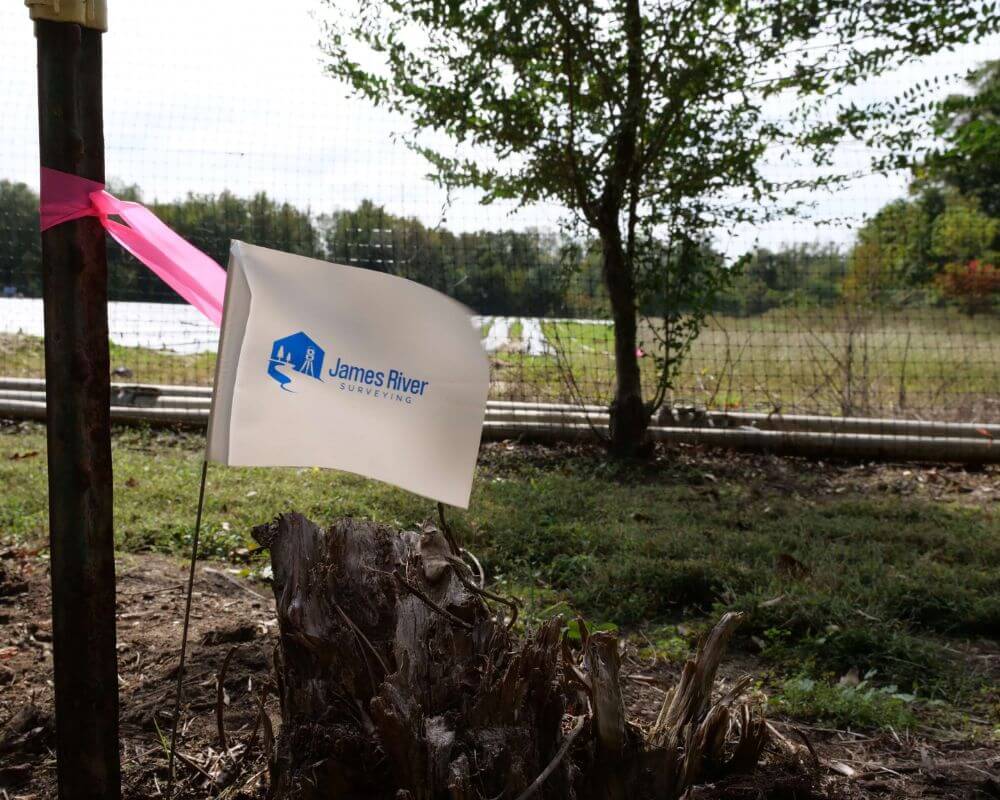
A quality survey includes both physical markings on the property and written documentation. When you find a surveyor, ask what deliverables are included. Clear plats, maps, and reports ensure the survey can be referenced in the future.
These documents are important for contractors, real estate professionals, and legal purposes. Without proper documentation, even accurate measurements may be difficult to defend later. Finding a surveyor who provides thorough records protects your investment long-term.
How Long It Takes to Find a Surveyor and Complete a Survey
Homeowners are often surprised by how long it can take to find a surveyor and schedule services, especially during busy seasons. Surveyors must review records, perform fieldwork, and verify findings, all of which take time.
Planning ahead reduces stress and avoids project delays. If you anticipate needing a survey, begin the process early. When you find a surveyor who communicates timelines clearly, you can plan accordingly and avoid last-minute complications.
The Long-Term Benefits of Choosing the Right Surveyor
Taking the time to find a surveyor pays off long after the immediate project is complete. A professional survey establishes clear boundaries that support future improvements, property sales, and legal clarity.
Homeowners who find a surveyor they trust gain peace of mind knowing their property information is accurate and defensible. This confidence extends to contractors, neighbors, and potential buyers.
Making an Informed Decision
Ultimately, knowing how to find a surveyor empowers homeowners to make informed decisions about their property. It replaces uncertainty with clarity and protects one of your most valuable assets.
By verifying licensure, evaluating experience, asking the right questions, and valuing local expertise, homeowners can confidently find a surveyor who meets their needs. This thoughtful approach ensures your project starts on solid ground and stays there.
Frequently Asked Questions About How to Find a Surveyor
How do I find a surveyor I can trust?
The best way to find a surveyor is to verify licensure, review experience with similar properties, and ask clear questions about scope and deliverables. A trustworthy surveyor will be transparent about their process and credentials.
Is it better to find a local surveyor or a larger firm?
Local surveyors often have deeper familiarity with regional land records, zoning requirements, and historical plats. When homeowners find a surveyor with local experience, they benefit from knowledge that can improve accuracy and efficiency.
How far in advance should I find a surveyor?
It’s best to find a surveyor as early as possible, especially if your project involves deadlines. Surveyors often have busy schedules, and early planning helps prevent delays.
Can I reuse an old survey instead of finding a new surveyor?
Older surveys may not reflect current property conditions or updated records. When accuracy matters, it’s usually safer to find a surveyor who can provide a current, verifiable survey.
Why Taking Time to Find a Surveyor Pays Off
When homeowners rush to find a surveyor, they often focus on availability or cost alone. While these factors matter, they should never outweigh qualifications and experience. A poorly performed survey can lead to disputes, construction issues, or legal complications that cost far more than the initial service.
Taking time to find a surveyor who is licensed, experienced, and communicative provides long-term value. A professional survey becomes a reliable reference for future projects, property sales, and improvements. It protects your investment and reduces uncertainty.
Knowing how to find a surveyor the right way allows homeowners to move forward with confidence. Instead of guessing where boundaries lie or relying on assumptions, you gain documented clarity backed by professional standards.
Find a Surveyor With Confidence
Every property project starts with accurate information. Whether you’re installing a fence, planning construction, or resolving a boundary question, the decision to find a surveyor should never be taken lightly.
By understanding what surveyors do, recognizing red flags, asking the right questions, and valuing local expertise, homeowners can confidently find a surveyor who meets their needs. This approach ensures your property decisions are based on facts, not assumptions.
When you take the time to find a surveyor the right way, you protect your property, your finances, and your peace of mind.