

The Role of Land Surveying in Successful Commercial Development
January 20, 2026
Find a Surveyor the Right Way: What Homeowners Need to Know
February 17, 2026Installing a new fence might seem like a simple home improvement project. You pick the style, choose the materials, and schedule the installation. But there’s a critical step many homeowners overlook, one that can turn a straightforward fence project into a legal and financial headache if skipped. That step is getting a fence property survey.
A fence is not just a design feature or privacy solution. It is a permanent structure that defines where your property begins and ends. If that structure is installed even inches over the true boundary line, it can create disputes with neighbors, trigger legal action, or require costly removal. A fence property survey provides the clarity and protection homeowners need before breaking ground.
Whether you are replacing an old fence, installing one for the first time, or planning a larger property improvement, understanding the importance of a fence property survey can save time, money, and stress.
What Is a Fence Property Survey?
A fence property survey is a professional land survey conducted to determine the exact boundaries of a property before a fence is installed. Unlike informal measurements or assumptions based on existing markers, this type of survey identifies legally recognized property lines using recorded deeds, plats, and physical evidence on the land.
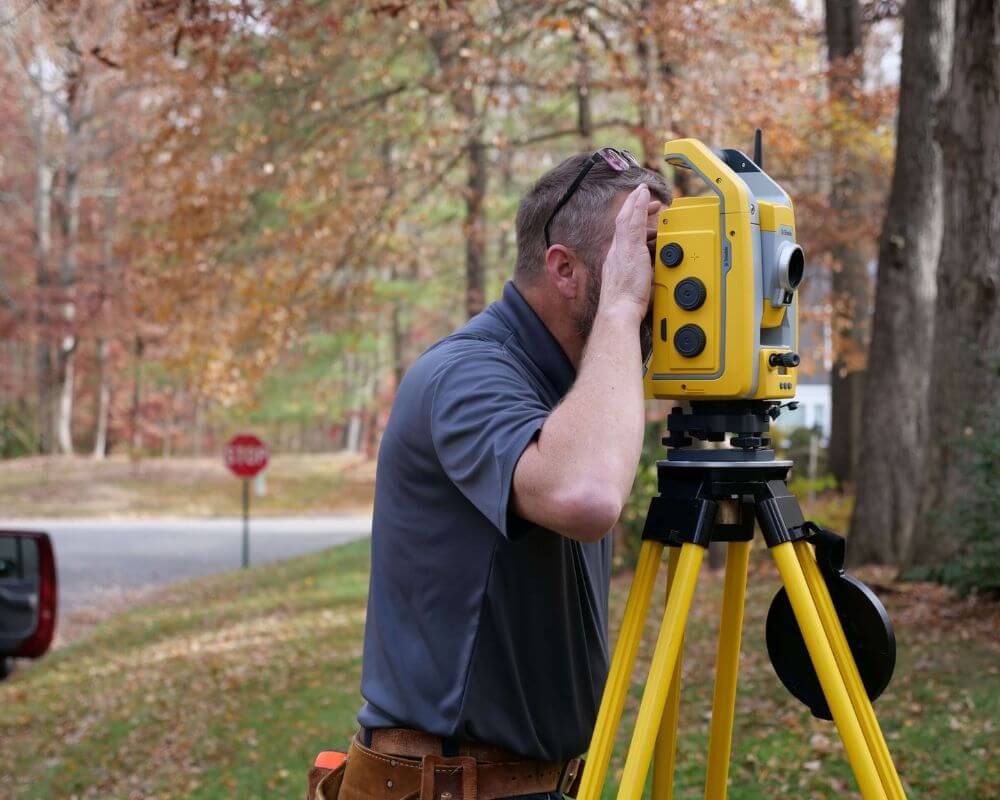
During a fence property survey, a licensed surveyor reviews historical records, verifies boundary measurements, and marks the corners and lines of the property on the ground. These markings show precisely where a fence can be installed without crossing into a neighboring parcel or violating local setback requirements.
Many homeowners assume their existing fence, tree line, or landscaping defines their property boundary. In reality, these features are often inaccurate or were placed without a proper survey. A fence property survey removes guesswork and replaces assumptions with verified data.

Why a Fence Property Survey Is More Important Than You Think
At first glance, skipping a survey might seem like a way to save money. However, the risks of installing a fence without a fence property survey far outweigh the upfront cost of doing it right.
Boundary Disputes Are More Common Than Expected
One of the most common sources of neighbor disputes involves property boundaries. Even in friendly neighborhoods, misunderstandings can arise when a fence appears to encroach on someone else’s land. Without a fence property survey, there is no objective proof that your fence is correctly placed.
Boundary disputes can escalate quickly, leading to legal action, strained relationships, and forced fence removal. A fence property survey provides documented evidence of property lines, protecting homeowners from claims of encroachment.
Local Regulations Often Require Accurate Placement
Many counties and municipalities have zoning rules, easements, and setback requirements that dictate where fences can be installed. A fence property survey helps ensure your fence complies with these regulations by identifying not only property lines, but also any recorded easements that may restrict construction.
Installing a fence in an easement, even if it appears to be on your property, can result in fines or mandatory removal. A fence property survey identifies these issues before construction begins.
Fence Installers Do Not Verify Property Lines
A common misconception is that fence contractors will determine where the fence should go. In reality, most installers rely on the homeowner to provide boundary information. Fence companies are not licensed to perform boundary determinations, and many contracts explicitly state that the homeowner is responsible for confirming property lines.
A fence property survey ensures your contractor installs the fence in the correct location, reducing liability for everyone involved.
Common Situations Where a Fence Property Survey Is Essential
While a fence property survey is always recommended, there are certain situations where it becomes especially important.
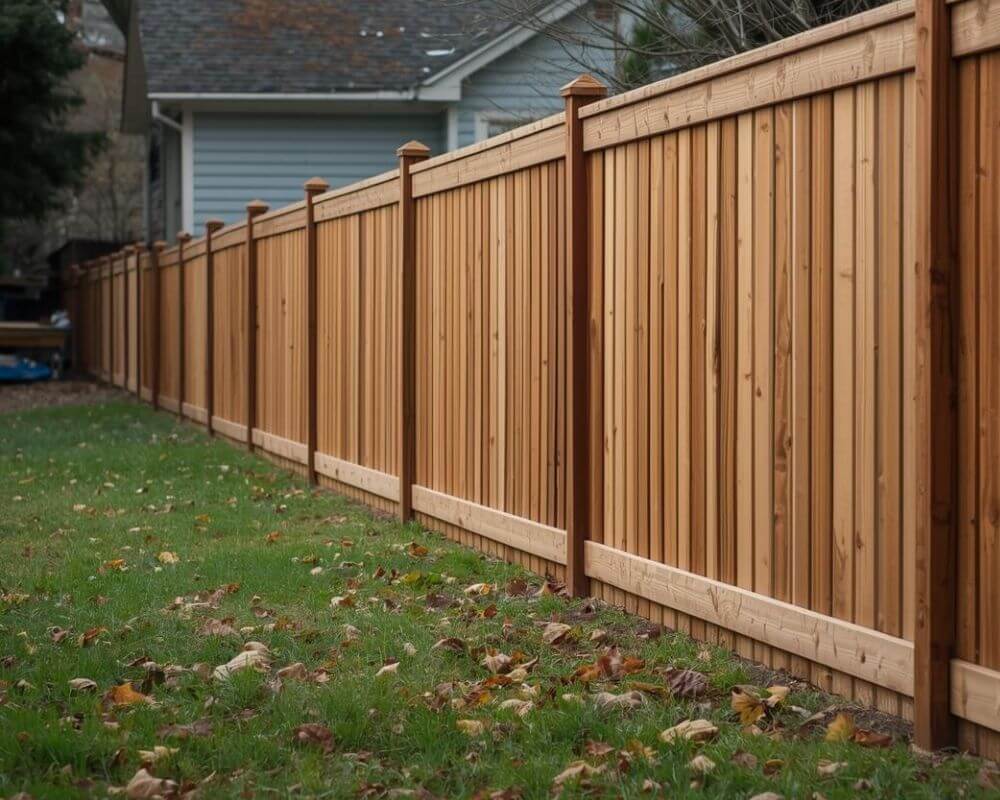
If you are installing a fence near a shared boundary, a fence property survey helps avoid disputes before they begin. When replacing an old fence, a survey confirms whether the existing fence was properly placed or if it drifted over time. For properties with irregular shapes, slopes, wooded areas, or unclear markers, a fence property survey may be the only reliable way to determine true boundaries.
Homeowners planning to sell their property in the future also benefit from a fence property survey. Buyers often request documentation showing that all structures are within legal boundaries. Having a recent survey on file can streamline the selling process and prevent last-minute issues during closing.
The Cost of Skipping a Fence Property Survey
Skipping a fence property survey can lead to expenses far greater than the cost of the survey itself. If a fence is installed incorrectly, homeowners may be required to remove and reinstall it, paying twice for labor and materials. Legal fees from boundary disputes can quickly add up, and in some cases, courts may award damages to affected neighbors.
Additionally, improperly placed fences can reduce property value or complicate refinancing and resale. A fence property survey is a small investment that protects one of your largest assets, your home and land.
How a Fence Property Survey Protects You Long-Term
A fence property survey does more than help with a single project. It provides a permanent record of your property boundaries that can be used for future improvements, additions, or landscaping. It establishes confidence when working with contractors, neighbors, and local authorities.
By investing in a fence property survey, homeowners gain peace of mind knowing their fence is legally placed, compliant with regulations, and protected from future disputes. It is a proactive step that prevents problems rather than reacting to them later.
Fence Property Survey vs. Other Types of Surveys
Not all surveys serve the same purpose, and this is where many homeowners get confused. A fence property survey is specifically focused on identifying boundary lines so a fence can be installed accurately and legally. Other survey types may not provide the clarity required for fence placement.
For example, a mortgage or location survey is typically conducted for financing purposes. While it may show structures relative to property lines, it is often not precise enough for construction decisions. Similarly, an old plat map may show general dimensions but does not reflect current conditions or physical markers on the ground.
A fence property survey, on the other hand, involves fieldwork, measurements, and boundary verification performed by a licensed surveyor. This ensures the information is reliable, current, and defensible if questions arise later.
If your goal is to install a fence with confidence, relying on anything other than a fence property survey can leave gaps that create problems down the road.
How Easements Impact Fence Placement
One of the most overlooked reasons homeowners need a fence property survey is the presence of easements. Easements grant certain rights to utility companies, municipalities, or neighboring properties, even if the land itself belongs to you.
Common easements include utility lines, drainage access, shared driveways, and access paths. Installing a fence across an easement may violate recorded agreements and result in required removal, sometimes years after installation.
A fence property survey identifies all recorded easements affecting your property and shows how they intersect with boundary lines. This allows homeowners to plan fence placement that respects legal restrictions while still achieving privacy and security goals.
Without a fence property survey, easements often go unnoticed until a problem occurs. By then, the fence is already built, and the cost to fix the issue is significantly higher.
Neighbor Communication and the Role of a Fence Property Survey
Even when neighbors are on good terms, fences can become a sensitive topic. Property lines are emotional, and disagreements can arise when assumptions are challenged.
A fence property survey provides a neutral, professional reference point that removes personal opinion from the conversation. Instead of debating where a boundary “should be,” homeowners can rely on documented survey results that clearly define the property line.
Sharing survey results with neighbors before installation can prevent misunderstandings and build trust. It shows that the fence placement is based on verified information, not guesswork. In many cases, a fence property survey actually strengthens neighbor relationships by avoiding future disputes.
When Existing Fences Are Not on the Property Line
It is surprisingly common for existing fences to be incorrectly placed. Over time, fences may shift, be replaced without verification, or have been installed decades ago without a proper survey.
A fence property survey helps homeowners determine whether an existing fence is truly on the boundary line or simply assumed to be. This is especially important when replacing a fence, as repeating an old mistake can expose the homeowner to liability.
In some cases, homeowners discover that a fence has been encroaching on a neighboring property for years. Addressing this issue proactively with a fence property survey allows for informed decisions before replacing or upgrading the fence.
Legal Protection and Documentation
One of the greatest benefits of a fence property survey is legal protection. If a dispute arises, survey documentation serves as credible evidence of boundary location. Courts, title companies, and municipalities rely on licensed surveyor findings, not informal measurements or homeowner assumptions.
Having a fence property survey on file demonstrates due diligence. It shows that the homeowner took reasonable steps to verify property boundaries before installing a permanent structure. This documentation can be invaluable if a dispute escalates or if ownership questions arise in the future.
In contrast, installing a fence without a fence property survey leaves homeowners vulnerable. Without documentation, proving correct placement becomes much more difficult.
Fence Property Surveys and Future Property Value
A properly placed fence supported by a fence property survey can enhance property value. Buyers appreciate clear boundaries, well-documented improvements, and reduced risk of disputes.
During a real estate transaction, questions about fence placement can delay closing or require additional surveys at the buyer’s request. Homeowners who already have a fence property survey can provide reassurance and avoid last-minute complications.
Additionally, lenders and title companies may request boundary verification if a fence appears close to a property line. A fence property survey helps streamline these processes and keeps transactions moving forward.
Choosing the Right Surveyor for a Fence Property Survey
Not all surveying services are the same. When selecting a professional for a fence property survey, it is important to work with a licensed surveyor who understands local regulations, property records, and land conditions.
An experienced surveyor will review deeds, plats, and historical data before conducting fieldwork. They will identify boundary markers, measure accurately, and provide clear markings that fence installers can follow with confidence.
Homeowners should avoid relying on online maps, GPS apps, or informal measurements when planning fence placement. These tools are not accurate enough for legal boundary determination. A fence property survey performed by a qualified professional is the only reliable option.
Timing Your Fence Property Survey
The best time to schedule a fence property survey is before finalizing fence design or installation plans. Early verification allows homeowners to adjust layouts, avoid restricted areas, and communicate clearly with contractors.
Waiting until after a fence is installed to confirm boundaries defeats the purpose of a fence property survey and often results in avoidable costs. By planning ahead, homeowners ensure their fence project moves forward smoothly and without surprises.
Fence Property Survey Checklist for Homeowners
Before installing a fence, homeowners can use this checklist to ensure they are properly prepared and protected.
First, confirm whether your property boundaries are clearly marked and documented. If there is any uncertainty, a fence property survey is essential. Next, review local zoning ordinances and homeowners association rules, which may include height limits, setback requirements, or material restrictions. A fence property survey helps align fence placement with these regulations.
Check for recorded easements on your property. Utility, drainage, and access easements can affect where a fence may legally be installed. A fence property survey identifies these constraints before construction begins.
Finally, communicate with your fence installer using verified survey markings. Providing your contractor with the results of a fence property survey ensures the fence is built exactly where it should be.
Frequently Asked Questions About Fence Property Surveys
Do I really need a fence property survey if my neighbor agrees?
Even if neighbors are in agreement, verbal approval does not override legal boundaries. A fence property survey provides documented proof of correct placement and protects both parties if ownership questions arise later.
Can I use an old survey for fence installation?
Older surveys may not reflect current conditions, shifted markers, or changes to the property. A recent fence property survey ensures accuracy and reliability.
Is a fence property survey required by law?
While not always legally required, many municipalities strongly recommend or indirectly require surveys for compliance with zoning and easement regulations. Skipping a fence property survey increases risk.
How long does a fence property survey take?
Most fence property surveys can be completed efficiently, depending on property size, record availability, and site conditions. Scheduling early prevents project delays.
Why a Fence Property Survey Is a Smart Investment
Installing a fence without a fence property survey is a gamble. While it may seem like a shortcut, the potential consequences, boundary disputes, legal action, forced removal, and reduced property value, can far outweigh the cost of doing it right.
A fence property survey provides clarity, protection, and confidence. It ensures your fence is legally placed, compliant with regulations, and supported by professional documentation. It also creates a clear record that benefits you long after the fence is installed.
For homeowners, a fence property survey is not just about avoiding problems, it is about protecting your investment and preserving peace of mind.
Work With a Professional You Can Trust
When planning a fence installation, partnering with an experienced land surveying firm makes all the difference. A licensed surveyor understands local property records, regulations, and land conditions, ensuring your fence is placed correctly the first time.
By investing in a fence property survey, homeowners take a proactive step toward protecting their property, their relationships, and their future plans. Before you install a fence, make sure your boundaries are clear, because guessing is never worth the risk.